

A fence can serve several purposes around a property, from creating a private outdoor retreat to marking boundaries and organizing access. The right design can also complement the building’s exterior and help the surrounding space feel more complete. However, selecting suitable fencing requires more thought than choosing a style from a catalog.
Every property has its own requirements. A homeowner may want to create a safer play area for children, while a business owner may need a clearly defined perimeter or convenient access for vehicles. Available space, ground conditions, weather exposure, upkeep, and project costs all influence which fencing option makes sense. Planning these details in advance can reduce unexpected costs and help you select fencing that matches your property’s specific requirements. This guide explains the main factors to evaluate, compares popular fencing materials, and explores ways to maintain a fence after installation.
Which Factors Matter Most When Designing Your Fence?
First, identify the main purpose your fence needs to serve. Your intended purpose will help establish the appropriate design, material, height, and layout.
Match the Design to Your Everyday Needs
Depending on your property’s needs, you may prefer a solid fence for added privacy or an open-style design that clearly marks the property line. A backyard used for family activities may call for enclosed space, whereas a front garden may look better with decorative fencing that does not obstruct the view. Commercial sites can have different priorities, including defining work areas, separating storage spaces, or directing visitors toward designated entrances. The fence should support the way the property operates rather than create unnecessary obstacles. List your essential fencing needs first, then evaluate the available options to find the best match. Separating essential features from optional design preferences can make the selection process more manageable.
Study the Ground and Available Space
The condition of the installation area affects how a fence should be planned. Slopes, soft soil, established trees, drainage channels, and existing structures may influence the placement of posts and panels. Measure the intended perimeter and identify areas where gates or changes in direction will be needed. Consider whether the ground rises or falls along the proposed fence line, as uneven terrain may require adjustments to the design. Property boundaries also need careful verification. Do not assume that an existing fence marks the legally correct boundary. Where the line is uncertain, consult relevant property documents or obtain a professional survey before construction.
Check Rules That Apply to Your Property
Local authorities may impose restrictions on fence height, location, materials, and visibility near streets or driveways. Special requirements can apply to swimming pools, corner lots, easements, and other specific situations. If your neighborhood has a homeowners association, review its guidelines before choosing a design. Some communities regulate fence colors, panel styles, and placement. Confirming the applicable requirements early can help you avoid delays, disputes, or the expense of changing a fence after it has been installed.
Which Fencing Material Fits Your Requirements?
Different materials offer different combinations of appearance, durability, privacy, and upkeep. The best option depends on the environment, intended use, and amount of maintenance you are prepared to handle.
Wood Fences for Flexible Design Options
Wood provides a traditional look that works with many residential landscapes. Depending on the design, it can create a secluded backyard, frame a garden, or provide a decorative boundary around the front of a property. Board spacing, panel height, and overall layout can be adjusted to achieve different visual effects. Paint and stain options also make it possible to coordinate the fence with exterior finishes and landscaping.
The main consideration is ongoing care. Sun exposure, rain, insects, and persistent dampness may cause certain wood products to fade, split, warp, or deteriorate. Periodic inspections and appropriate protective treatments can help reduce these effects.Wood is worth considering when appearance and design flexibility are priorities and the owner is comfortable with regular maintenance.
Vinyl Fencing for a Simpler Upkeep Routine
Vinyl is available in styles ranging from solid privacy panels to decorative boundary designs. Its finished surface generally does not need routine painting or staining, making it an appealing option for property owners who want to limit recurring maintenance.
Occasional washing can remove dust and surface marks. Even so, vinyl can crack under impact, and its performance depends on product quality, installation, and exposure to weather. Before selecting a vinyl fence, compare the available styles, structural components, warranty conditions, and manufacturer’s care instructions. Proper installation remains important even when the material requires relatively little upkeep.
Chain-Link Fencing for Open Boundaries
Chain-link fencing creates a visible boundary without completely screening the area behind it. This makes it useful for certain yards, recreational spaces, gardens, and commercial sites where visibility is desirable. The mesh construction allows people to see through the fence, but that feature also limits privacy. Some systems can accommodate screening materials or privacy slats, provided they are suitable for the installation and permitted by local rules.
Metal coatings and finishes vary between products and can influence resistance to corrosion. Gate placement should also be planned according to how people, equipment, or vehicles will use the enclosed area. Chain-link may suit properties where practical enclosure and visibility matter more than creating a solid visual barrier.
Aluminum and Steel for Different Fencing Needs
Metal fencing can offer a clean, structured appearance that works with both traditional and contemporary buildings. Aluminum and steel are two common choices, but they have different characteristics. Aluminum fencing is easy to handle and offers strong resistance to corrosion. It is often used where an open, decorative boundary is preferred. Steel can provide considerable strength, although its weight, finish, and protection against corrosion depend on the specific product. The intended use should guide the selection. Before choosing a fence, assess local moisture levels, how much wear it may face, the appearance you want, and the upkeep you can manage.
How Can Fencing Support Privacy and Controlled Access?
The right fencecan help separate outdoor areas from surrounding spaces and make access easier to manage. Its usefulness depends on the layout, construction, height, and purpose of the enclosure.
Create a More Secluded Outdoor Area
A fence with closely fitted panels can reduce visibility from neighboring properties and nearby walkways. This may make patios, gardens, and seating areas more comfortable for people who prefer a private outdoor setting. Before selecting a solid design, consider how it will affect natural light, airflow, and the appearance of the landscape. The fence should fit the surrounding space without creating drainage problems or interfering with necessary access. Trees and shrubs can soften the appearance of a fence, but planting too close to the structure may make inspections and repairs difficult. Allow enough room for maintenance and future growth.
Make Property Limits Easier to Recognize
A clearly positioned fence can distinguish one outdoor area from another. It may help organize a backyard, separate a garden from a driveway, or define a designated section of a commercial property. Correct placement is particularly important when neighboring properties share a boundary. Confirming the legal line before installation helps reduce the possibility of disagreements or relocation costs. Where access rights, shared boundaries, or easements are involved, resolve those questions before construction begins.
Plan Gates Around How the Property Is Used
Gates influence how convenient a fenced area is to enter and leave. A pedestrian entrance may be sufficient for a residential garden, while a business may need a wider opening for deliveries or vehicles.The size and weight of the gate should match the supporting posts, hinges, latch, and other hardware. Poor alignment can lead to dragging, sagging, or difficulty opening the gate.Consider how often the entrance will be used and whether the layout allows enough room for people or vehicles to pass safely. Planning these details at the beginning can prevent practical problems after installation.
What Helps Ensure a Successful Fence Installation?
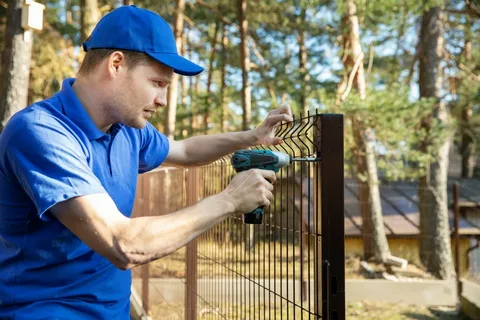
The materials alone do not determine how well a fence performs. Site preparation, stable posts, accurate measurements, and suitable construction methods all contribute to the final result.
Prepare the Installation Area
Before digging begins, establish the fence line and identify obstacles that could affect construction. Underground utility locations must be confirmed through the appropriate local marking service before any excavation takes place.Vegetation, old structures, and uneven ground may require additional preparation. Drainage should also be considered so that water does not repeatedly collect around the fence posts. Post placement and support requirements depend on the material, design, soil conditions, and local construction practices. Following the appropriate specifications helps create a more stable structure.
Account for Local Weather
Environmental conditions influence both material selection and installation planning. Persistent moisture can increase maintenance demands for some fences, while strong winds can place substantial pressure on broad, solid panels. Temperature changes may also affect certain materials. In areas exposed to frequent rain or humid conditions, protective finishes and corrosion resistance deserve particular attentionChoose products suited to the property’s environment and follow the manufacturer’s recommendations for installation and maintenance. This can help reduce avoidable deterioration over time.
Understand the Full Project Cost
A fencing estimate should explain more than the price per foot. Review the material specification, proposed dimensions, gate details, labor, site preparation, and any additional work required.Ask whether removing an old fence, disposing of debris, handling difficult terrain, or obtaining permits is included in the quote. It is also helpful to clarify the estimated schedule and the terms of applicable warranties.Comparing estimates on the basis of equivalent materials and work makes the differences easier to understand. A lower price may not represent better value if important parts of the project are excluded.
How Can You Keep a Fence in Good Condition?
A fence benefits from periodic inspections, suitable cleaning, and prompt attention to minor damage. Maintenance requirements depend on the material and the conditions surrounding the property.
Look for Early Signs of Deterioration
Inspect the structure for loose boards, leaning posts, cracked panels, damaged fasteners, rust, and other visible changes. Open and close the gates to check whether the hardware operates smoothly.Areas exposed to standing water, intense sunlight, or frequent contact may need closer attention. Identifying a loose component or damaged section early can help prevent additional deterioration. If a post becomes unstable or several panels show damage, arrange a closer assessment rather than relying on temporary fixes.
Use Suitable Cleaning Methods
Dust, mud, plant residue, and algae can accumulate on outdoor fencing. Cleaning can improve its appearance, but the process should match the material and finish.Follow the manufacturer’s recommendations when choosing cleaning products. Strong chemicals, abrasive brushes, or excessive pressure may damage some surfaces or protective coatings.Keep vegetation from obstructing the fence or gate mechanisms. Regularly clearing leaves and debris around the base also makes it easier to inspect the structure.
Maintain Protective Finishes
Wood may require fresh stain, paint, or another suitable protective treatment as its finish wears. Metal fencing should be checked for scratches or damaged coatings that could expose the underlying material to corrosion. Vinyl generally needs less surface treatment, but cracks and impact damage should still be examined. Repair products and replacement parts should be compatible with the existing fence. If deterioration is widespread, compare the likely repair cost with the expense of replacing the affected section. The condition of the posts and supporting structure should be considered as well as the visible panels.
When Is Fence Repair More Practical Than Replacement?
A damaged fence does not always need to be rebuilt. An isolated loose board, worn latch, or small section of damaged material may be repairable without disturbing the rest of the structure.More extensive problems require closer consideration. Multiple unstable posts, widespread wood decay, significant corrosion, or recurring structural failures may indicate that the fence has reached the point where replacement deserves serious consideration.
Think about the age of the structure, the extent of the damage, the availability of matching materials, and the cost of continued repairs. Also consider whether the current design still meets your needs.A professional inspection can help identify the source of the problem and clarify whether a targeted repair or a new installation is the more sensible option.
Conclusion
Selecting a fence is a decision that combines practical needs with appearance, budget, and long-term care. Wood can provide a customizable traditional look, vinyl offers a comparatively simple maintenance routine, chain-link creates an open boundary, and metal fencing provides additional design choices. Before committing to a particular option, assess the property layout, verify boundaries, review local requirements, and consider the area’s environmental conditions. Careful planning and suitable installation methods can help reduce avoidable problems later.
Ongoing inspections and appropriate maintenance also contribute to a fence’s useful life. When damage becomes extensive or the existing design no longer serves its purpose, professional advice can help determine the next step.For anyone researching fencing options, Cox & Don Fence may be a company to consider after confirming its current services, coverage area, and installation offerings. Discussing your specific property requirements can help establish which fencing solution is appropriate for your project.
Frequently Asked Questions
Which Fence Style Offers Greater Privacy?
Fences built with solid panels or closely positioned boards generally block more direct views than open designs. The best choice depends on the required level of seclusion, local restrictions, budget, and preferred material.
Which Fencing Material Is Easiest to Maintain?
Vinyl typically requires less routine upkeep than wood because it generally does not need regular painting or staining. Periodic washing and inspections are still necessary to check for damage.
How Can You Determine the Appropriate Fence Height?
Start with the purpose of the fence and review the rules that apply to your location. Requirements for privacy, pools, streets, and property boundaries can differ, so verify the permitted dimensions before ordering materials.
Is It Possible to Repair a Fence Without Replacing It?
Yes. Individual boards, hardware, or limited damaged sections can often be repaired. If the posts or multiple sections have extensive deterioration, replacing the affected structure may be more practical.
What Details Should a Fencing Estimate Include?
A written estimate should identify the materials, dimensions, gates, preparation work, labor, project exclusions, expected timeline, and applicable warranty terms. Comparing these details helps you evaluate quotes on a consistent basis.